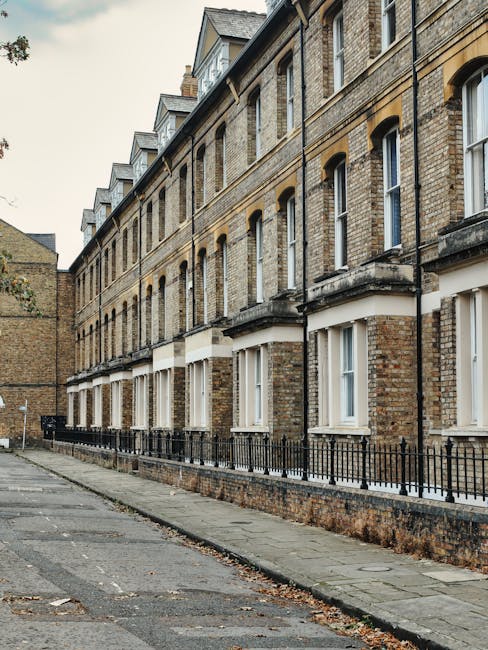
Bruce Grove house rubbish clearance guide for Victorian terraces
If you live in a Victorian terrace in Bruce Grove, rubbish clearance can feel deceptively simple right up until you start moving things. Narrow hallways, steep stairs, awkward front gardens, shared access, old sheds packed with decades of bits and pieces... it all adds up. This Bruce Grove house rubbish clearance guide for Victorian terraces is designed to help you clear clutter safely, quickly, and with fewer surprises.
Whether you are dealing with a single room, a full house clearance, or the kind of back-of-the-loft accumulation that somehow multiplies every winter, the aim is the same: get the property clear without damaging the house, upsetting neighbours, or creating a bigger mess than you started with. That last part is easier said than done, to be fair.
In the sections below, you will find practical steps, local considerations, safety advice, compliance points, and a realistic comparison of the ways people usually tackle terrace house clearance. There is also a checklist, a worked example, and a few small but important tips that tend to get missed.
Table of Contents
- Why Bruce Grove house rubbish clearance guide for Victorian terraces Matters
- How Bruce Grove house rubbish clearance guide for Victorian terraces Works
- Key Benefits and Practical Advantages
- Who This Is For and When It Makes Sense
- Step-by-Step Guidance
- Expert Tips for Better Results
- Common Mistakes to Avoid
- Tools, Resources and Recommendations
- Law, Compliance, Standards, or Best Practice
- Options, Methods, or Comparison Table
- Case Study or Real-World Example
- Practical Checklist
- Conclusion
- Frequently Asked Questions
Why Bruce Grove house rubbish clearance guide for Victorian terraces Matters
Victorian terraces in Bruce Grove have a character all their own. High ceilings, original features, split levels, and tight circulation routes make them lovely to live in, but not always lovely to clear. A bulky sofa, a rotten wardrobe, or a stack of old garden waste can become a logistical puzzle very quickly.
That is why a dedicated rubbish clearance approach matters. A generic "just empty the house" method often misses the realities of terrace living: stair turns that are too tight, shared front paths, limited on-street stopping space, and neighbours who are not thrilled by constant door-banging at 7 a.m. You will notice the difference when the plan respects the building, not just the pile of stuff.
It also matters because rubbish clearance is not only about speed. It is about protecting floors, keeping escape routes clear, sorting reusable items from genuine waste, and avoiding fly-tipping risks. In an older property, one careless drag across a timber threshold can leave a mark that stays with the house long after the clutter is gone.
Bruce Grove itself has a mix of busy residential streets and properties where access can be tight. So, even a straightforward house clearance benefits from a proper order of operations. You want the right sequence, the right loading plan, and enough breathing room to deal with the unexpected. And there is always something unexpected.
How Bruce Grove house rubbish clearance guide for Victorian terraces Works
At a practical level, clearance works best when you break it into stages rather than trying to "do the lot" in one pass. The basic workflow usually looks like this:
- Assess the property - identify access points, parking limitations, fragile surfaces, and what needs to go.
- Sort the items - separate waste, reusable goods, furniture, electrical items, textiles, and anything personal or sensitive.
- Plan the carry route - decide how items will move through the house without blocking stairs or causing damage.
- Protect the house - use coverings on floors and corners where needed, especially on original bannisters, door frames, and tiled thresholds.
- Load systematically - take the heaviest, most awkward items out first if access allows, then work through the smaller items.
- Finish with a sweep-through - check lofts, cupboards, under-stairs areas, shed corners, and garden edges.
That may sound obvious, but the difference between an orderly clearance and a stressful one is usually in those details. A Victorian terrace often has more hidden storage than people remember. There is always one cupboard, one coal hole, one box room, or one garden outbuilding that turns up more than expected.
For homeowners and landlords who want a formal service, it helps to review company information before booking. Pages such as about us, health and safety policy, and insurance and safety are useful trust signals because they show how the work is approached, not just what is removed.
Key Benefits and Practical Advantages
The main benefit of a thoughtful rubbish clearance plan is simple: it makes the job feel manageable. But there are several other advantages worth spelling out.
- Less risk of damage - careful handling protects plasterwork, skirting boards, stair rails, and original floors.
- Better use of time - sorting before lifting avoids repeated trips and confusion at the front door.
- Cleaner handover - this matters if you are preparing a terrace for sale, rental, probate, or refurbishment.
- Safer moving conditions - cluttered steps and stacked bags are a common trip hazard in older homes.
- Improved recycling outcomes - separating reusable and recyclable items reduces unnecessary disposal.
- Less neighbour disruption - good planning keeps noise and blockage down. A small thing, but people do notice.
There is also an emotional benefit. Clearing a terrace often means clearing years of accumulated life, not just rubbish. That can be a relief, but it can also be oddly draining. A sensible process leaves room for decisions, rather than forcing rushed calls in the middle of a hallway.
In many terrace clearances, the real win is not the van load. It is the calm feeling of walking into a room and seeing the floor again.
Who This Is For and When It Makes Sense
This guide is useful if you are a homeowner, tenant, landlord, executor, letting agent, or tradesperson working on a Victorian terrace in Bruce Grove. It is especially relevant when the property has built-up clutter, old furniture, mixed waste, or access that makes DIY clearance awkward.
It also makes sense when time is tight. For example, you might be between tenancies and need the house ready for decorating. Or perhaps you have inherited a property and need to clear it respectfully before deciding what stays and what goes. Sometimes it is just a case of, "we can't live like this another week," which is perfectly understandable.
If the clearance is small - say, a few bags, one mattress, and some broken household items - you may be able to manage it yourself. But if you are facing heavy furniture, loft contents, builders' waste, old appliances, or a garden stacked with damp timber and rusty metal, a professional approach becomes far more sensible.
For people comparing options, practical pages like pricing and quotes and recycling and sustainability can help you think through cost, disposal methods, and what happens to the items after collection.
Step-by-Step Guidance
If you want the job to go smoothly, the easiest thing is to work methodically. Here is a sensible sequence for a Victorian terrace clearance in Bruce Grove.
1) Start with an honest walk-through
Go room by room and write down what needs removing. Include loft spaces, under-stairs areas, shed contents, the rear garden, and any basement or cellar storage if the house has one. In older terraces, clutter often hides in plain sight.
2) Identify anything that should not be mixed with general waste
Electrics, paint tins, solvents, gas cylinders, sharps, and some liquids may need special handling. Do not just bundle everything together because it is quicker. That shortcut usually creates a bigger headache later.
3) Set aside keep, donate, recycle, and dispose piles
Even if you are not donating items yourself, separating them at the start keeps the clearance cleaner and more efficient. It also makes it easier to see whether a room is actually emptying or whether things are just being shuffled around.
4) Clear a route before you lift the big pieces
Move loose clutter away from stairs, landings, and hallways first. Victorian staircases can be narrow and twisty, and a single overloaded carry can catch on a banister or door frame. Not ideal, as you can imagine.
5) Protect the surfaces that matter
Use coverings on floors and particularly vulnerable points, especially if there are polished boards, encaustic tiles, or decorated woodwork. You do not need a military-grade setup, just enough protection to avoid accidental scuffs and chips.
6) Take the difficult items out with the right technique
Mattresses, wardrobes, sofas, and heavy white goods often need two people or more, plus a clear exit plan. Do not drag if you can carry. If it squeaks, scrapes, or threatens to topple, stop and reset. Seriously, that pause can save a repair bill.
7) Do a final sweep of the property
Before calling it done, check inside cupboards, behind doors, in loft hatch areas, and around the garden edges. A surprising number of "finished" clearances still leave behind one bag, one cable bundle, or one old toolbox. It happens all the time.
Expert Tips for Better Results
Experience teaches a few useful shortcuts. None of them are glamorous, but they save time and frustration.
- Measure the awkward pieces before lifting them - if a wardrobe will not turn the corner, know that early.
- Use a staging area - even a small landing or front room corner can help separate keepers from waste.
- Label items if several people are involved - sticky notes or marker pens are enough.
- Clear during daylight where possible - the detail matters more than you think, especially in dim lofts and narrow stairwells.
- Watch the weather - wet steps and muddy paths make clearance slower and less safe.
- Take photos before and after - useful for landlord handovers, probate records, and your own peace of mind.
A small but important tip: keep a bag or box for paperwork, keys, photos, and other personal items. Victorian houses have a habit of producing sentimental objects at exactly the wrong moment. A found envelope, a school photo, a letter tucked in a book... and then the whole process stops for ten minutes.
If you are booking a service, ask about payment process and security as well as the practical work. A page like payment and security is a good indicator that the provider thinks beyond the lift-and-load part of the job.
Common Mistakes to Avoid
Most clearance problems come from rushing. The actual lifting is often the easy part. It is the planning that gets people.
- Leaving sorting until the van arrives - this leads to confusion and slower progress.
- Ignoring loft and shed spaces - these areas often hold a shocking amount of rubbish.
- Blocking the only route out - a classic mistake in narrow terraces.
- Assuming everything can be mixed - not all items should go together.
- Underestimating the weight of old furniture - especially damp or damaged pieces.
- Forgetting neighbour access needs - shared paths and front gates matter.
- Skipping a final check - the one forgotten bag is strangely persistent.
Another common issue is emotional overcommitment. People try to tackle every room in one day, then end up exhausted by lunchtime. Better to do two rooms well than six rooms badly. No prize for suffering through it.
Tools, Resources and Recommendations
You do not need a warehouse of equipment, but the right basics make a real difference.
| Tool or resource | Why it helps | Best used for |
|---|---|---|
| Heavy-duty sacks | Reduce splitting and keep small waste grouped together | General rubbish, textiles, mixed non-sharp waste |
| Gloves with grip | Improve handling and protect hands from rough edges | Loft clearance, garden waste, dusty items |
| Floor protection covers | Help preserve original floors and paintwork | Staircases, hallways, landings |
| Marker pens and labels | Keep items organised when several rooms are being cleared | Sorting keep, sell, recycle, dispose |
| Trolley or sack truck | Reduces strain on heavy or bulky loads | Appliances, boxes, dense furniture |
| Clear plan or inventory | Prevents missed items and duplication | Full house clearances, probate jobs, landlord turnovers |
For many people, the most useful "resource" is actually good communication. If you are arranging a service, ask clear questions about access, loading, item types, and what happens if the job changes on the day. You can also review the provider's terms and conditions and complaints procedure so there are no surprises later.
Law, Compliance, Standards, or Best Practice
House rubbish clearance in the UK should be carried out with care around waste handling, transport, safety, and duty of care. Rather than leaning on slogans, the practical rule is simple: waste should go where it is supposed to go, and anything hazardous or restricted should be handled appropriately.
For a Victorian terrace in Bruce Grove, best practice usually means:
- keeping walkways clear to reduce trip risks,
- not blocking shared entrances or pavements unnecessarily,
- separating reusable and recyclable items where practical,
- handling sharp or hazardous materials safely,
- checking whether any items need specialist disposal,
- making sure the work is covered by suitable insurance and safety procedures.
That last point is worth repeating. Insurance and handling procedures are not just paperwork; they matter when there is a narrow staircase, a fragile banister, or a heavy item that needs to be manoeuvred around an awkward corner. If you are using a clearance company, it is sensible to check their insurance and safety information before work starts.
If you care about the environmental side, look for a provider that can explain recycling routes in plain English. A page such as recycling and sustainability can help you understand whether items are being reused, recycled, or disposed of responsibly. In real life, that distinction matters.
Options, Methods, or Comparison Table
There is no one perfect method. The right choice depends on how much there is, how quickly it needs to go, and how difficult the property is to access.
| Method | Best for | Pros | Limitations |
|---|---|---|---|
| DIY clearance | Small volumes, light items, flexible timelines | Lower direct cost, full control | Time-consuming, physical effort, disposal logistics |
| Mixed self-clearance with hired transport | Medium jobs where you can sort items yourself | More control than full service, often efficient | Still requires lifting, loading, and coordination |
| Professional house clearance | Full terraces, heavy furniture, probate, tight access | Fast, organised, less physical strain | Usually costs more than DIY |
If you are deciding, ask yourself one practical question: do you want to spend the weekend carrying bags down a steep staircase, or would you rather use that time for sorting the important bits and getting the property ready? Honest answer usually appears pretty quickly.
Case Study or Real-World Example
Imagine a typical Bruce Grove Victorian terrace with two bedrooms, a box room, a small rear garden, and a loft that has not been properly opened in years. The front room holds old furniture, the kitchen has broken small appliances, and the shed is full of timber offcuts, paint tins, and garden waste. Nothing unusual. Just one of those houses.
The best approach would be to start by identifying anything personal, fragile, or valuable in the bedroom and loft. Next, the hallway and stairs would be cleared so the carrying route is open. The rear garden would be handled separately because damp waste and broken materials are easier to manage outside than through a clean interior route.
Then comes the awkward furniture. The large wardrobe is measured before moving. It turns out the landing is just wide enough if it is angled carefully. The mattress goes out second, not first, because the stair bend is easier once the bulky cabinet has already been removed. The kitchen items are sorted into separate groups so recyclable metal and ordinary household waste do not get mixed.
By the end, the house is stripped back to the basics and ready for the next stage, whether that is decorating, sale, tenancy turnover, or just a well-earned deep clean. It is not dramatic, but it is satisfying. Quietly satisfying, actually. Especially when the last room finally looks like a room again.
Practical Checklist
Use this before any rubbish clearance in a Victorian terrace.
- Walk through every room, loft space, cupboard, and outdoor storage area.
- Separate keep, recycle, donate, and dispose items.
- Identify anything hazardous or unusually heavy.
- Measure the biggest furniture pieces against doorways and stair turns.
- Clear a safe path from the room to the exit.
- Protect floors, corners, and other vulnerable surfaces.
- Confirm parking or loading arrangements if needed.
- Set aside keys, documents, photos, and sentimental items.
- Plan for bins, bags, and holding areas during the job.
- Do a full final sweep before finishing.
If you are booking a clearance provider, it is also sensible to read their pricing and quotes information so you know what affects the final figure and what is included.
Conclusion
Bruce Grove house rubbish clearance for Victorian terraces is mostly about respect: respect for the building, for the people doing the lifting, and for the items being removed. Get the order right, and the job feels lighter. Ignore the layout, rush the process, and even a small clearance can become surprisingly awkward.
Whether you are dealing with a single room, a full terrace, or a property that has simply become too full to think straight, the smartest move is usually the same: plan first, sort carefully, protect the house, and choose the method that matches the scale of the work. That is how you avoid the small disasters that make a simple job feel enormous.
And if you want a service that is transparent about process, safety, and how items are handled, it helps to start with a provider that explains those things clearly from the outset. A calm, organised clearance is worth more than a rushed one, every time.
Get a free quote today and see how much you can save.
Sometimes the best result is the one that quietly gives you the space to breathe again.
Frequently Asked Questions
What is the best way to clear rubbish from a Victorian terrace in Bruce Grove?
The best approach is usually to sort items first, clear a safe route through the house, protect the surfaces, and then remove bulky items in a planned order. Victorian terraces often have narrow stairs and tight corners, so a bit of preparation saves a lot of trouble.
Can I do house rubbish clearance myself?
Yes, if the job is small and the items are light enough to move safely. For larger clearances, heavy furniture, or awkward access, DIY can become exhausting and risky quite quickly.
How do I know whether I need a full house clearance?
If most rooms contain mixed clutter, old furniture, or stored items that need sorting and removal, a full clearance may be the better option. If you only have a few bags or a couple of bulky pieces, a smaller removal may be enough.
What should I do with items that might be reusable?
Set them aside before anything is carried out. Reusable furniture, books, textiles, and household goods are easier to deal with if they are separated early. It is one of those small steps that pays off later.
Are Victorian terraces harder to clear than newer homes?
Often, yes. The staircases, narrow hallways, older door frames, and original features can make movement trickier. They are lovely houses, but they do like to make you earn your progress.
How long does a typical clearance take?
It depends on the amount of rubbish, access, and how much sorting is needed. A small job may be handled quite quickly, while a full terrace clearance with loft and garden contents can take much longer.
What items need special care during rubbish clearance?
Sharp objects, broken glass, old paint tins, electrical items, and anything potentially hazardous should be handled carefully. If you are unsure about an item, do not bundle it in with everything else without checking first.
How can I avoid damaging the house during removal?
Protect the floors and corners, clear the route in advance, and use proper lifting techniques. Taking an extra minute to angle a piece of furniture correctly is usually worth it. More than usually, actually.
What should landlords or executors keep in mind?
Keep a clear record of what has been removed, take photos before and after, and make sure any personal or sensitive items are handled carefully. That makes handover, probate, or tenancy management much smoother.
How do I compare clearance quotes fairly?
Look at what is included, whether labour and disposal are covered, how access issues are handled, and whether the provider explains pricing clearly. A cheap quote is not much help if it leaves out key parts of the job.
Is recycling really worth thinking about during a house clearance?
Yes, because a good proportion of household items may be suitable for reuse or recycling. Thinking about this early can reduce waste, make the process more responsible, and sometimes simplify the clearance itself.
Where should I start if the house feels overwhelming?
Start with one room, one cupboard, or even one corner. Seriously, one corner. Momentum matters more than ambition when a terrace feels full to the brim. Once the first area is clear, the rest becomes much easier to face.