Health and Safety Policy for House Clearance Edmonton
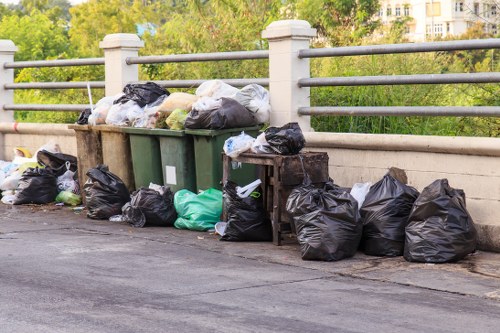 Purpose and commitment: This Health and Safety Policy sets out the standards and procedures adopted by our team for safe house clearance operations. The company is committed to protecting the health and welfare of staff, contractors and members of the public while delivering safe and reliable rubbish removal and waste handling services in the service area. Our approach is to prevent injury and ill health through planning, supervision and competent resourcing. Safety is integral to every house clearance task and is applied consistently across all properties and sites.
The scope of this policy covers all activities related to domestic and commercial clearances, including sorting, lifting, transportation and disposal of items. It applies to direct employees, subcontractors, delivery and collection drivers and any visitors to a clearance site. Roles and responsibilities are defined so that every person involved understands their duties: management provides leadership and resources, supervisors ensure safe systems are followed, and operatives must work safely and report hazards promptly.
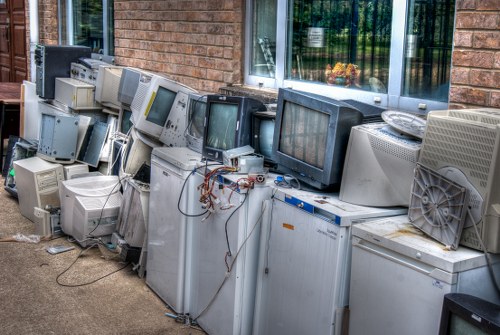 Risk assessment and planning form the foundation of every clearance job. Before any removal work begins a dynamic site assessment identifies hazards such as trip/fall risks, sharps, chemical containers, heavy items or restricted access. Control measures are selected from the hierarchy of risk control: elimination, substitution, engineering controls, administrative controls and PPE. The policy requires written job briefs and safe working method statements for higher risk operations to ensure compliance and clarity for all involved.
Operational standards and controls
Training and competence are essential. All personnel engaged in clearance, rubbish collection or junk removal tasks receive induction training, manual handling instruction and task-specific briefings. Regular refresher sessions and toolbox talks ensure continuing awareness of safe systems. Supervisors must verify competence before assigning complex tasks and document training records. Visitors and new starters are to be briefed on site rules and emergency arrangements.
 Personal protective equipment and manual handling controls: staff are required to use appropriate PPE for the activity and environment. Typical mandatory items include:
- High-visibility clothing for working near traffic
- Gloves suitable for handling waste and potentially contaminated items
- Safety boots with toe protection and slip-resistant soles
- Eye protection and dust masks where dust, airborne particles or splashes are anticipated
Manual handling techniques, lifting aids and two-person lifts are used to reduce musculoskeletal injury. Mechanical aids and trolleys should be preferred for bulky or heavy items when practicable.
Handling of hazardous materials and segregation of waste streams is a priority: items suspected of containing hazardous substances (batteries, solvents, paints, asbestos-containing materials, electrical items) are identified and isolated for specialist disposal. Staff are trained to recognise common hazards and to follow predefined disposal routes. Waste clearance procedures mandate clear labelling, containment and where required, the use of hazardous goods carriers or licensed facilities.
Site safety, vehicles and emergency response
Vehicles and plant used for clearances must be maintained, inspected before use and operated by competent personnel. Safe loading practices ensure that waste is secured and weight is distributed to avoid vehicle instability. Traffic management plans for driveways, parking and kerbside collections reduce risk to crew and the public. Contractors are required to comply with vehicle safety standards and follow the company’s loading and segregation protocols.
 Emergency procedures, incident reporting and first aid: all operatives must know the location of first aid kits, fire-fighting equipment and emergency contact points at each site. Incidents, near misses and occupational illnesses must be reported immediately through the designated reporting system and investigated to identify root causes and corrective actions. Records of incidents, risk assessments and remedial measures are maintained as part of the continual improvement cycle.
 Environmental protection, monitoring and continual improvement: our policy recognises the importance of reducing environmental impact by maximising reuse and recycling and minimising landfill where feasible. Waste segregation for recyclable, non-recyclable and hazardous streams is enforced. Regular audits, site inspections and performance reviews assess compliance with safety objectives and identify opportunities to enhance safe working practices. Management will review this policy periodically and when operational changes occur to ensure it remains effective and proportionate.
Accountability and review: senior management endorses this policy and ensures the necessary resources for implementation. All employees are expected to cooperate and contribute to a safe working culture. This policy is part of our commitment to deliver professional house clearance and rubbish services safely and responsibly, protecting people and the environment while operating within the defined service area. It is reviewed annually or following a significant incident, legal change or operational update.