Edmonton council rules for bulky rubbish disposal explained
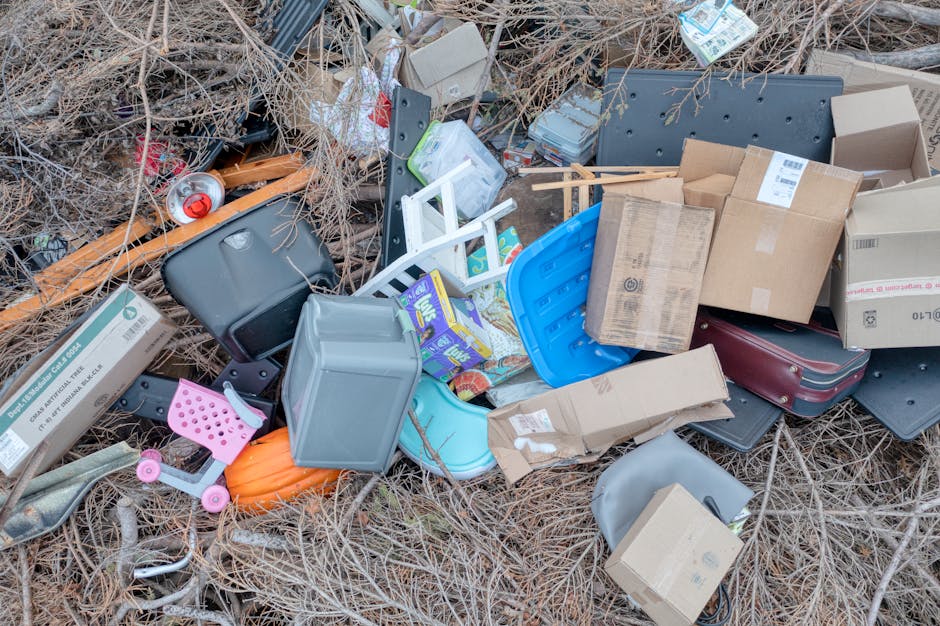
If you have a sofa blocking the hallway, a broken wardrobe in the spare room, or a pile of old household items that are too large for the normal bin, you are not alone. Bulky rubbish has a way of building up quietly, then suddenly becoming a proper headache. This guide to Edmonton council rules for bulky rubbish disposal explained is here to make the process clearer, calmer, and far less annoying.
We will walk through what bulky rubbish usually means, how council-style disposal rules tend to work, what people often get wrong, and how to choose the most practical route for your situation. No fluff. Just the stuff you actually need when you are looking at a heavy table, wondering how on earth it is going to leave the house.
One quick note before we get into it: local arrangements can change, and the exact rules may depend on the item, access, collection method, and whether the waste is domestic or commercial. So treat this as a practical, grounded guide rather than a substitute for checking the latest local instructions.
- Why Edmonton council rules for bulky rubbish disposal explained matters
- How Edmonton council rules for bulky rubbish disposal explained works
- Key benefits and practical advantages
- Who this is for and when it makes sense
- Step-by-step guidance
- Expert tips for better results
- Common mistakes to avoid
- Tools, resources and recommendations
- Law, compliance, standards, or best practice
- Options, methods, or comparison table
- Case study or real-world example
- Practical checklist
- Conclusion
- Frequently Asked Questions
Why Edmonton council rules for bulky rubbish disposal explained Matters
Bulky waste sounds simple until you try to move it, schedule it, and make sure it is accepted in the right way. That is where council rules matter. They help decide what counts as bulky rubbish, how items should be presented, whether collection is available, and what happens if the item contains mixed materials or hazardous components.
In practical terms, these rules matter for three reasons. First, they reduce fly-tipping and unsafe dumping. Second, they stop people from leaving oversized items where they can block pavements, stairwells, or communal entrances. Third, they help residents understand whether they can use a council route, a private clearance route, or a more specialised service.
There is also a financial angle, and let's be honest, that is often what gets attention first. If you do not understand the rules, you can end up paying twice: once for an unsuitable collection attempt and again for the correct disposal. A bit frustrating. A bit too common too.
For rented homes, flats, shared buildings, and business premises, the stakes are even higher. One oversized item dumped in the wrong place can create complaints, cause access problems, or trigger extra charges from landlords and managing agents. So yes, this topic is about rubbish, but it is really about avoiding hassle.
How Edmonton council rules for bulky rubbish disposal explained Works
Most council-style bulky waste systems follow the same broad logic, even if the details differ. You identify the item, check whether it qualifies as bulky rubbish, confirm whether it contains anything restricted, and then choose the approved disposal route.
Usually, bulky rubbish means items too large for normal household bins or regular kerbside waste. That might include old sofas, armchairs, mattresses, tables, wardrobes, broken shelving, white goods, and similar large household pieces. But the category is not always as neat as people expect. For example, a mattress and a bed frame may be treated differently if one part contains prohibited materials or needs separate handling.
A council collection route often comes with rules about access, presentation, booking times, and acceptable item types. In plain English: the item needs to be ready, reachable, and safe to lift. If it is buried under smaller rubbish, soaked through, or tangled with other waste, that can complicate things fast.
If the item is awkward, very heavy, or mixed with other waste streams, many people choose a professional clearance route instead. That is especially true where the waste is spread across a loft, garage, garden, or office. For readers comparing practical options, services such as house clearance or furniture disposal can be a better fit than trying to make everything work through one bulky collection slot.
Another important point: bulky waste is not the same as builder's rubble, garden cuttings, electrical waste, or hazardous material. People mix these up all the time. Truth be told, a lot of disposal problems start with that one mistake.
Key Benefits and Practical Advantages
Understanding the rules properly gives you more control. Instead of guessing, you can choose the right disposal route and avoid those awkward last-minute problems when an item turns out not to be accepted after all.
- Cleaner, safer spaces: bulky items are removed before they become trip hazards or block emergency exits.
- Fewer collection surprises: you are less likely to face a rejected pickup or an avoidable delay.
- Better cost control: you can compare council collection, private clearance, and item-by-item disposal with more confidence.
- Less stress for households and landlords: especially useful during moves, refurbishments, bereavement clearances, or tenancy changes.
- More responsible disposal: items are more likely to be sorted properly for reuse, recycling, or licensed disposal.
A good example is a family clearing a garage at the weekend. There might be an old chest of drawers, a cracked patio chair, and a broken shelving unit. Without a clear plan, that pile can sit there for weeks. With the right approach, it is gone in one go. Small win, big relief.
Where items still have usable life left, a proper disposal plan can also open the door to reuse or separate treatment. That fits nicely with the broader principles behind recycling and sustainability, which matters more than people sometimes think when clearing a whole property.
Who This Is For and When It Makes Sense
This guide is useful if you are dealing with any situation where bulky waste has become too large, too awkward, or too time-sensitive for normal bin collection. That includes homeowners, tenants, landlords, letting agents, managing agents, office managers, and business owners.
Typical scenarios include:
- a sofa that has reached the end of its life
- a flat clearance after a move-out
- an attic or loft full of long-unused furniture
- a garage packed with old cabinets and damaged household items
- an office replacing desks, chairs, or storage units
- garden furniture, planters, or outdoor storage that is too bulky for normal disposal
In many cases, a dedicated clearance service makes sense when the waste is spread across several rooms or when lifting is the main challenge. For example, a flat clearance is usually less about one item and more about getting the whole place back into shape without dragging the job out for days.
It also makes sense if you need a firmer timetable. Council collections can be perfectly suitable, but they are not always the fastest option. If you have a handover deadline or a landlord inspection breathing down your neck, that changes the picture quite a bit.
Step-by-Step Guidance
If you want a sensible, low-drama way to handle bulky rubbish, start here.
- Identify the item properly. Write down what it is, what it is made of, and whether it contains electrical parts, glass, fluids, or upholstery.
- Separate bulky waste from everything else. Do not mix it with general rubbish, builder's debris, or garden waste unless the disposal route clearly accepts mixed loads.
- Check access. Can the item get out of the property safely? Measure stairwells, doorways, and tight corners if needed. It sounds basic. It saves headaches.
- Decide whether council collection is suitable. If the item fits the accepted category and you are happy with the booking process, that may be the easiest option.
- Choose a specialist route if the job is bigger. A full property tidy-up, such as a home clearance, can be more practical when there are multiple bulky items and lighter waste mixed together.
- Prepare the items for removal. If asked, move them to a reachable place, remove loose contents, and keep walkways clear.
- Confirm any restrictions. Some items need disassembly, some need special handling, and some simply should not be included.
- Arrange disposal and keep records. For businesses especially, basic paperwork and service details help if questions come up later.
A quick tip from real-life experience: if the item looks manageable until you reach the staircase, it probably is not as manageable as you think. That is where proper planning pays off.
Expert Tips for Better Results
Getting bulky rubbish removed well is not only about the disposal method. It is about making the job easier before anyone turns up with gloves and a trolley.
- Group items by type. Furniture, wood, metal, garden waste, and builder's waste should not be treated as one big heap unless the service allows it.
- Take photos before booking. This helps you describe the load accurately and avoids last-minute surprises.
- Disassemble where safe. A flat-pack wardrobe is usually easier to move in pieces than as a single awkward lump.
- Keep valuables and documents separate. It sounds obvious, but people do leave important papers in old cupboards. More than you might expect.
- Plan around building access times. In flats or shared buildings, lifts, service entrances, and loading restrictions can affect the whole job.
- Think about room type. Clearing a loft, garage, or office often brings different waste types together, so the disposal method should fit the actual load, not just the headline item.
If the job includes awkward or heavy pieces, a specialised service can save time and reduce the risk of damage. For example, old desks, storage cabinets, or meeting room chairs are often better handled through office clearance rather than piecing the job together in stages.
One more practical thought: do not wait until the day before collection to discover there is no lift access. That kind of discovery always seems to happen at the least convenient moment.
Common Mistakes to Avoid
Most bulky waste problems come from a few repeat mistakes. The good news is that they are easy enough to avoid once you know what to look for.
- Mixing waste streams: putting household furniture, plasterboard, soil, and electrical items together can lead to rejection or extra charges.
- Leaving items in the wrong place: a collection point that blocks access can create delays or complaints from neighbours.
- Assuming all big items are accepted: some items need separate handling, especially if they are damaged, contaminated, or contain restricted materials.
- Underestimating weight and size: that old dresser may look harmless until you try to move it down a narrow stairwell.
- Not checking who is responsible: in rented or shared properties, responsibility can be split between tenants, landlords, or managing agents.
- Choosing the wrong clearance type: a one-off collection is not always the best answer when you really need a broader waste removal solution.
To be fair, bulky disposal is one of those jobs where people often wing it. And sometimes it works. But when it does not, it tends to fail loudly.
Tools, Resources and Recommendations
You do not need fancy equipment for most bulky rubbish jobs, but a few simple tools can make the process safer and less tiring.
- Measuring tape: useful for checking doorways, lifts, and stair turns.
- Work gloves: helpful for handling dusty, splintered, or sharp-edged items.
- Furniture sliders or a sack truck: good for moving heavier items without wrecking the floor.
- Strong tape or straps: handy for bundling broken pieces together safely.
- Notepad or phone camera: good for keeping a quick inventory of what needs removing.
From a practical service perspective, the most useful pages to review are the ones that match the space you are clearing. If the bulky items are part of a garage sort-out, a garage clearance page will be more relevant than a general disposal page. If the waste is mostly outdoor clutter, garden clearance can be the better fit.
For complete property jobs, it also helps to look at the service side of the process rather than just the disposal side. A clear explanation of house clearance can help you decide whether you need one room, one load, or a full-property solution.
Law, Compliance, Standards, or Best Practice
When you are handling bulky waste, the main compliance issue is not simply getting rid of it. It is making sure it is disposed of through a lawful, responsible route and does not create a nuisance or a safety issue.
In the UK, householders still need to think carefully about duty of care principles, even if they are not running a business. In practice, that means using a reputable and appropriate disposal route, not leaving waste where it could be fly-tipped, and avoiding anyone who cannot explain what happens to the waste afterwards.
For businesses, the expectations are higher. Commercial premises may need clearer records, tighter scheduling, and a disposal arrangement that matches the type of waste generated. Office fit-outs, retail refits, and landlord clearances can produce bulky waste alongside mixed rubbish, and that is where process matters.
Best practice is simple but often overlooked:
- sort waste before collection where possible
- keep hazardous items separate
- use licensed, traceable routes for disposal
- avoid overfilling collections beyond what was agreed
- make sure access, lifting, and loading are safe for everyone involved
If safety planning is a concern, it is worth reviewing how a provider approaches handling, lifting, transport, and staff protection. Information such as health and safety policy and insurance and safety can help you judge whether the service is set up properly.
And for businesses or landlords managing multiple clearances, it is also sensible to understand the provider's wider operating standards, especially around service terms and payment processes. A little caution goes a long way.
Options, Methods, or Comparison Table
There is no single best way to dispose of bulky rubbish. The right answer depends on volume, urgency, item type, and how much lifting or sorting is involved.
| Option | Best for | Main advantages | Possible drawbacks |
|---|---|---|---|
| Council bulky waste collection | Single items or small amounts of large household rubbish | Often simple, structured, and suitable for straightforward domestic disposal | May have limits on item type, booking times, access, and collection format |
| Private bulky waste removal | Urgent jobs or awkward items | More flexible, often faster, better for mixed or hard-to-handle loads | May cost more depending on size, labour, and disposal complexity |
| Full property clearance | Moves, probate, downsizing, or large decluttering jobs | Useful when bulky items are only one part of a larger clearance | Overkill for one sofa or one mattress |
| Room-specific clearance | Lofts, garages, gardens, or offices | Targets the exact source of the clutter, keeps the job focused | May not cover every item if waste is spread across the whole property |
In many real-world cases, the best option is not the cheapest one on paper. It is the one that gets the job done safely, with the least faff, and without a second round of lifting. That counts for a lot.
Case Study or Real-World Example
Imagine a couple clearing a two-bedroom flat after a long tenancy. They have a broken sofa, a sagging mattress, a coffee table with damaged legs, and a wardrobe that will not fit down the stairs in one piece. There is also a stack of old shelves in the hallway. Nothing dramatic, just enough clutter to make the place feel smaller every day.
At first, they think a single bulky collection will solve it. Then they realise the sofa is too large for the access point as assembled, the wardrobe needs partial dismantling, and the hallway is too narrow to stage everything safely. So they shift to a broader clearance plan.
They sort the items, remove loose contents, take measurements, and book a service suited to the full load rather than just the biggest piece. The result is simple: less stress, fewer failed attempts, and a flat that is ready for handover without a last-minute panic. Nothing glamorous, but very effective.
That kind of scenario is why the rules matter. Not because the paperwork is exciting. It is not. But because the rules help you avoid doing the job twice.
Practical Checklist
Use this before arranging any bulky rubbish disposal:
- Have I identified each item clearly?
- Do any items contain electrical components, fluids, glass, or other restricted parts?
- Have I separated bulky waste from general rubbish and other waste streams?
- Is the item accessible without blocking stairs, corridors, or exits?
- Do I need to disassemble any furniture first?
- Is this a single-item job or part of a larger clearance?
- Do I need a quicker or more flexible option than a standard collection?
- Have I checked safety, insurance, and service terms where relevant?
- Have I kept anything valuable or personal out of the load?
- Do I know what will happen to the waste after collection?
If you can tick most of those without hesitation, you are probably in good shape. If not, slow down a bit and sort the load properly first. It will save time later.
Get a free quote today and see how much you can save.
Conclusion
Bulky rubbish disposal is one of those jobs that looks easy from the sofa and somehow becomes a whole afternoon once you start. The good news is that once you understand the basic rules, the process becomes much more manageable. You can decide what qualifies as bulky waste, avoid common mistakes, and choose the right route for the job in front of you.
Whether you are dealing with a single item, a room full of old furniture, or a bigger clearance with mixed waste, the smartest move is usually the same: plan it properly, separate it sensibly, and use the most suitable collection method for the load. That is the difference between a tidy finish and a messy repeat attempt.
If you are feeling a bit overwhelmed by it all, that is completely normal. Most people are, at first. The important thing is that there is a clear path through it, and once you start sorting, it tends to get easier surprisingly quickly.
For households and businesses alike, good bulky waste handling is really about peace of mind. And honestly, there is something satisfying about seeing a cleared space at the end of the day, even if you are a bit tired and dusty by then.
Frequently Asked Questions
What counts as bulky rubbish in Edmonton?
Bulky rubbish usually means household items that are too large for standard bin collection, such as sofas, mattresses, tables, wardrobes, and other oversized pieces. Exact acceptance can vary, so it is always worth checking the item type before arranging disposal.
Can I leave bulky waste on the pavement for collection?
Only if the collection method specifically allows it and the items are presented correctly. Leaving items out in the wrong way can cause obstruction, complaints, or a rejected pickup. Keep access safe and follow the agreed process.
Is bulky waste the same as general household rubbish?
No. General rubbish usually covers smaller everyday waste, while bulky waste refers to larger items that need special handling or a separate collection method. Mixing the two often causes avoidable problems.
Can I put broken furniture out with bulky waste?
Often yes, but it depends on what the item is made from and whether it contains restricted materials. A broken chair or table may be acceptable, but items with electrical parts or contamination may need a different route.
What if my bulky item is too heavy to move on my own?
That is a good reason to choose a professional clearance service rather than struggling with it yourself. Heavy items can damage walls, stairs, floors, and your back. Not worth it, to be fair.
Do I need to dismantle furniture before disposal?
Sometimes it helps, especially if access is tight. But only dismantle it if you can do so safely. If a piece is structurally unstable or too awkward, it may be better left intact for a proper clearance team.
What is the difference between bulky collection and house clearance?
Bulky collection is usually for one or a small number of large items. House clearance is broader and covers more of the property, often including multiple rooms, mixed waste, and more labour. For larger jobs, house clearance is usually the better fit.
Can businesses use the same disposal approach as households?
Sometimes, but not always. Businesses often need a more structured service, especially for office furniture, mixed loads, or regular waste. Commercial waste removal is usually better suited to those needs than a one-off domestic-style pickup.
How do I avoid extra charges when disposing of bulky rubbish?
Be accurate about what needs removing, separate the waste properly, and make sure access is clear. Extra charges often appear when the load is bigger, heavier, or more mixed than first described. Clear information upfront really helps.
What should I do with bulky waste from a garage or loft?
That depends on what is actually in the space. Garages and lofts often contain mixed waste, old furniture, and forgotten items that need sorting first. A dedicated garage clearance or loft clearance may be the most practical option.
Can bulky waste be recycled?
Sometimes, yes. It depends on the material and condition of the item. Wood, metal, and certain furniture parts may be recoverable, while damaged or mixed-material items may need disposal. Responsible sorting improves the chances of reuse or recycling.
How do I know if a provider is reliable?
Look for clear service information, sensible terms, transparent payment practices, and a proper approach to safety and disposal. Pages such as pricing and quotes, payment and security, and about us can help build confidence before you book.
What if I am still not sure which disposal route to choose?
If the job feels too big, too awkward, or too mixed for a simple collection, that is usually a sign to step up to a more complete waste removal option. When in doubt, choose the method that fits the real job rather than the ideal version in your head. That tends to go better.